

Farming and farming are satisfying actions, however they often include long hours, bodily work, and experience of different weather conditions. One of the very ignored facets of these responsibilities could be the significance of ideal perform clothes. Carrying the right work clothes (Arbetskläder) not merely improves ease and efficiency but additionally improves safety, safeguards your skin, and prolongs the lifetime of garments in harsh environments.
Longevity and Ease
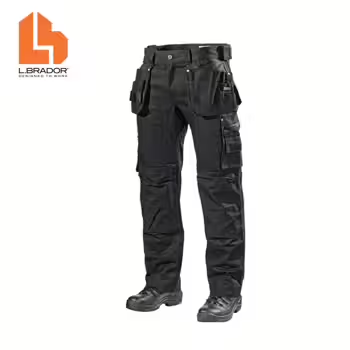
When selecting function outfits for gardening or farming, durability is really a critical factor. Jobs like digging, planting, or managing livestock can quickly need replacing regular clothing. Textiles like corduroy, material, and heavy-duty cotton are ideal because they are able to withstand scratching while however enabling flexibility of movement. Ease is equally important; loose-fitting clothes that enable air circulation reduce overheating during summer and lower fatigue during extended work sessions.
Security from Environmental Hazards
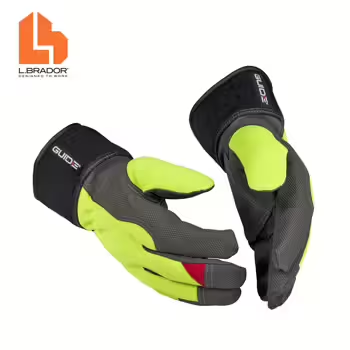
Work garments for outside job function as a defensive barrier against environmental hazards. Long-sleeved shirts and pants support shield the skin from sunburn, insect bites, and scores from plants or tools. Gloves defend the fingers from sores, pieces, and contact with earth or substances, while tough shoes reduce injuries from sharp objects, smooth materials, or animal hooves. Caps and shades provide additional defense from dangerous UV rays, making lengthy outside work safer.
Periodic Adaptations
Gardening and farming involve function in every times, therefore clothing must certanly be adaptable. Lightweight, breathable textiles are necessary for summer, while insulated coats, thermal layers, and waterproof outerwear are required for cooler months. Adding is very efficient, allowing personnel to regulate clothing based on heat fluctuations through the entire day.
Particular Apparel for Specific Tasks
Specific jobs might require particular clothing. Like, knee pads are ideal for planting or weeding on a lawn, while aprons with pockets help carry resources during harvesting. Overalls or bibs are suitable for dull or wet problems, keeping main garments clear and dry. Farmers handling livestock may benefit from reinforced shoes and moisture-resistant gloves to make sure hygiene and prevent injuries.
Maintaining Perform Garments
Care of function outfits is vital for longevity. Cleaning them independently from regular washing, applying moderate soaps, and promptly drying damp garments stops wear and tear. Fixing small releases or reinforcing joints also can expand the life span of resilient clothing.
Conclusion
Choosing the right work clothes for gardening and farming is greater than a matter of comfort—it is a practical expense in security, effectiveness, and productivity. Durable textiles, defensive equipment, periodic adaptations, and task-specific clothing all contribute to a better and more fulfilling outdoor work experience. By prioritizing correct workwear, gardeners and farmers may focus on their projects with full confidence and ease.